


Using Tibetan Bracelets during Meditation and Breathwork is a powerful way to ground your energy and keep your mind from wandering. We have found that these sacred tools act as physical anchors, helping practitioners bridge the gap between their busy daily lives and a deep state of inner peace. By focusing on the tactile sensation of the beads, you can naturally lower your stress levels and improve your overall concentration during mindfulness sessions.
- Tibetan bracelets serve as tactile anchors to prevent the mind from wandering during meditation.
- Materials like sandalwood and copper provide sensory benefits that support relaxation and energy flow.
- Hand-knotted lucky knots symbolize protection and the unity of all spiritual teachings.
- Using beads to count breaths or mantras allows for a consistent and rhythmic practice.
- Proper care and cleansing rituals help maintain the spiritual integrity of these sacred items.
What Is Using Tibetan Bracelets during Meditation and Breathwork?
Integrating authentic Tibetan materials into your daily routine involves more than just wearing a piece of jewelry. It is the active practice of using sacred items to maintain a focus on the present moment during spiritual exercises. Based on our experience, the weight and texture of these bracelets provide a constant reminder to stay mindful throughout the day.
Definition
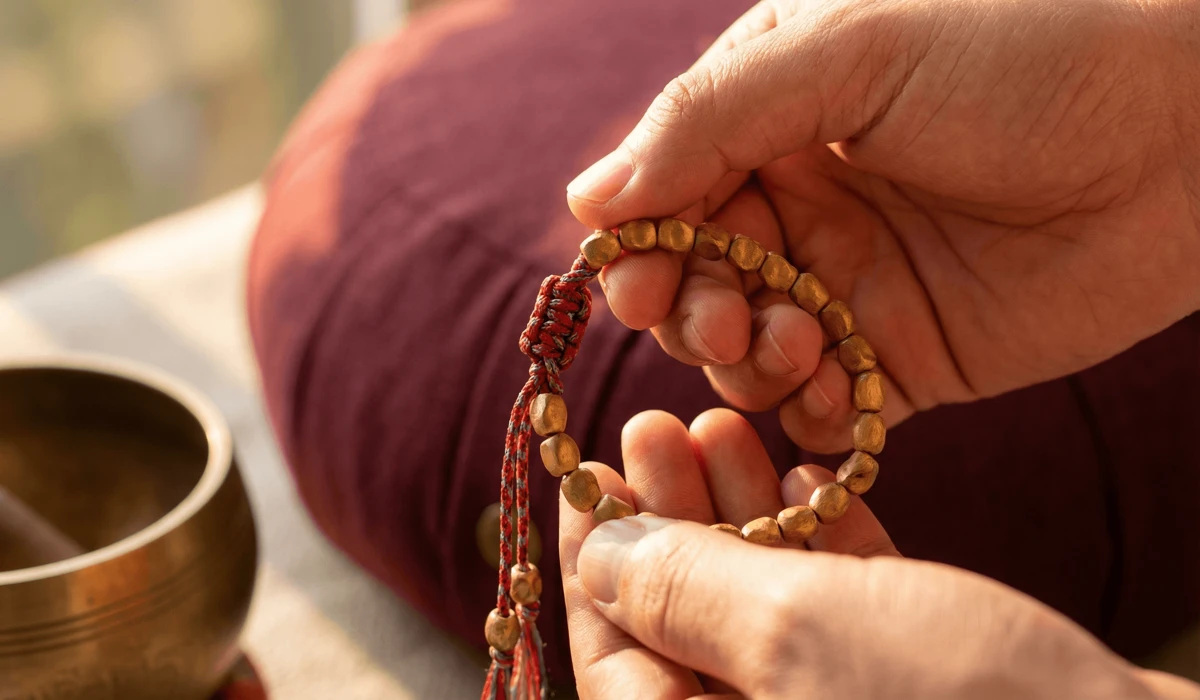
This practice refers to the intentional use of wrist-sized beads or knots as a focal point for the senses. Many use a method called “japa” (repetitive prayer) where each bead represents a single mantra or breath. This tactile feedback ensures that your awareness stays centered on your practice rather than drifting toward external distractions.
Origin & Materials
The use of these tools is deeply rooted in Himalayan culture and Vajrayana Buddhism (Vajrayana). Traditional Tibetan sandalwood bracelet benefits include a calming natural scent that signals the brain to relax during deep breathing. Meanwhile, Tibetan copper bracelet spiritual properties are often praised for their ability to balance the body’s subtle energies and improve circulation.
Basic Characteristics
Standard Tibetan wrist malas usually feature 18, 21, or 27 beads, which are factors of the sacred number 108. Every bracelet includes a larger “Guru bead” that marks the start and end of a meditation cycle. Many designs also incorporate hand-knotted Tibetan bracelet meaning through the “Vajra” knot, representing strength and spiritual protection.
Spiritual Meaning & Symbolism
The meaning of Tibetan lucky knots goes beyond aesthetics, representing the infinite wisdom and compassion of the enlightened mind. These knots show the interdependence of all things in the universe, suggesting that our spiritual path and daily life are never truly separate. We believe that understanding this symbolism helps a practitioner connect more deeply with their inner self.
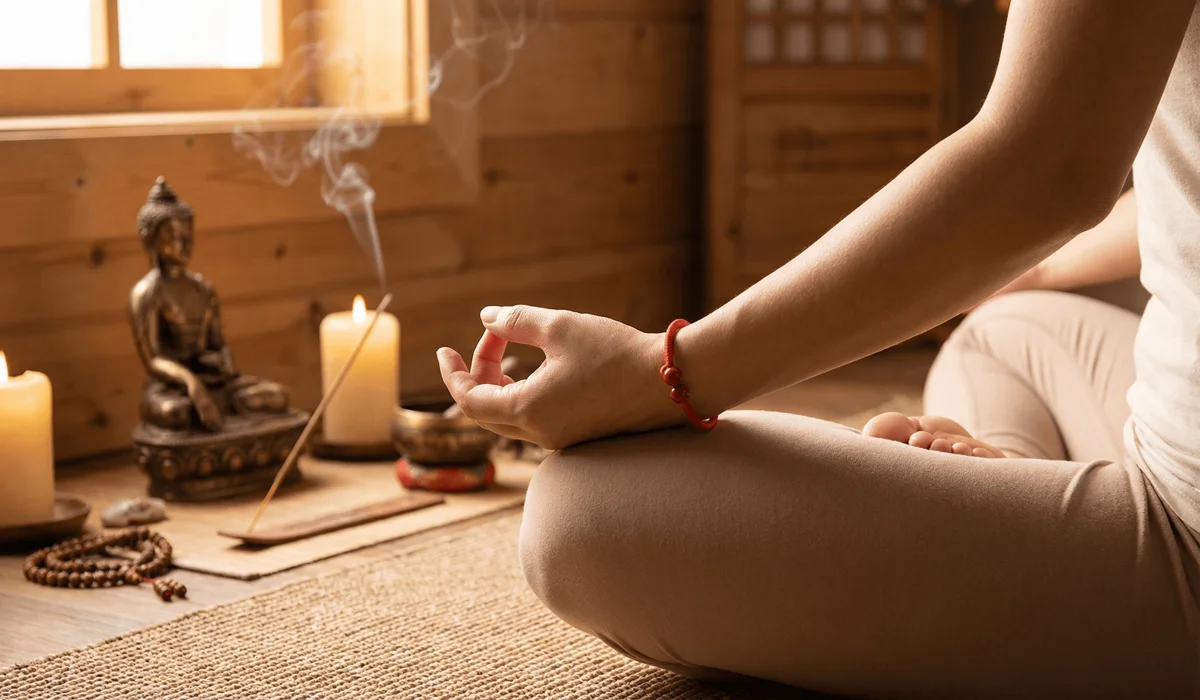
Red string bracelets are especially significant in Himalayan traditions for “sealing” positive energy within the wearer. This acts as a barrier against negative influences and helps maintain a state of spiritual grounding with Tibetan jewelry. Each bead in a mala is seen as a flower in a garland offered to your own higher consciousness during practice.
Chakra Associations
Specific materials are often linked to the body’s energy centers to enhance the effects of mindful breathing techniques with beads. Copper and wood are primarily associated with the Root Chakra, providing the stability needed for deep contemplation. Below is a comparison of common materials and their energetic focus:
| Material | Chakra Focus | Primary Benefit |
|---|---|---|
| Sandalwood | Root Chakra | Calming & Relaxation |
| Copper | All Chakras | Energy Conductivity |
| Turquoise | Throat Chakra | Communication & Wisdom |
| Lapis Lazuli | Third Eye | Intuition & Clarity |
When selecting a piece, many practitioners refer to Crystal Meanings to find stones that align with their specific intentions. For instance, adding Turquoise can help those who wish to improve their internal dialogue and self-expression. Using these associations allows for a more personalized and effective meditation experience.
Benefits & Intentions Associated with Tibetan Bracelets
Using Tibetan healing bracelets for mindfulness allows you to set clear intentions before you begin your breathwork. Whether you seek patience, resilience, or compassion, the bracelet serves as a physical touchstone for those goals. Our team often suggests holding the beads for a few moments of silence before starting any mantra recitation with wrist malas.
The tactile nature of the beads provides a meditation anchor tactile sensations that is hard to replicate with digital apps. In the Reddit community r/Buddhism, user u/-JoNeum42 shared a beautiful example of a handmade mala used for practice:
“I was cleaning my altar and found a mala I made when I was 16 dedicated to Vajrasattva that I wanted to share – the string is very worn, but each bead has a syllable of the hundred syllable mantra painted on it.”
*sources:[Vajrasattva Mala Experience](https://reddit.com/r/Buddhism/comments/1s5jlb1/i_was_cleaning_my_altar_and_found_a_mala_i_made/)*
This shows how these tools become vessels for long-term spiritual growth and personal history. Many users find that using Tibetan bracelets for anxiety relief during breathing exercises gives their hands a task, which helps calm the nervous system. The repetitive motion of moving from bead to bead naturally slows the heart rate and clears mental fog.
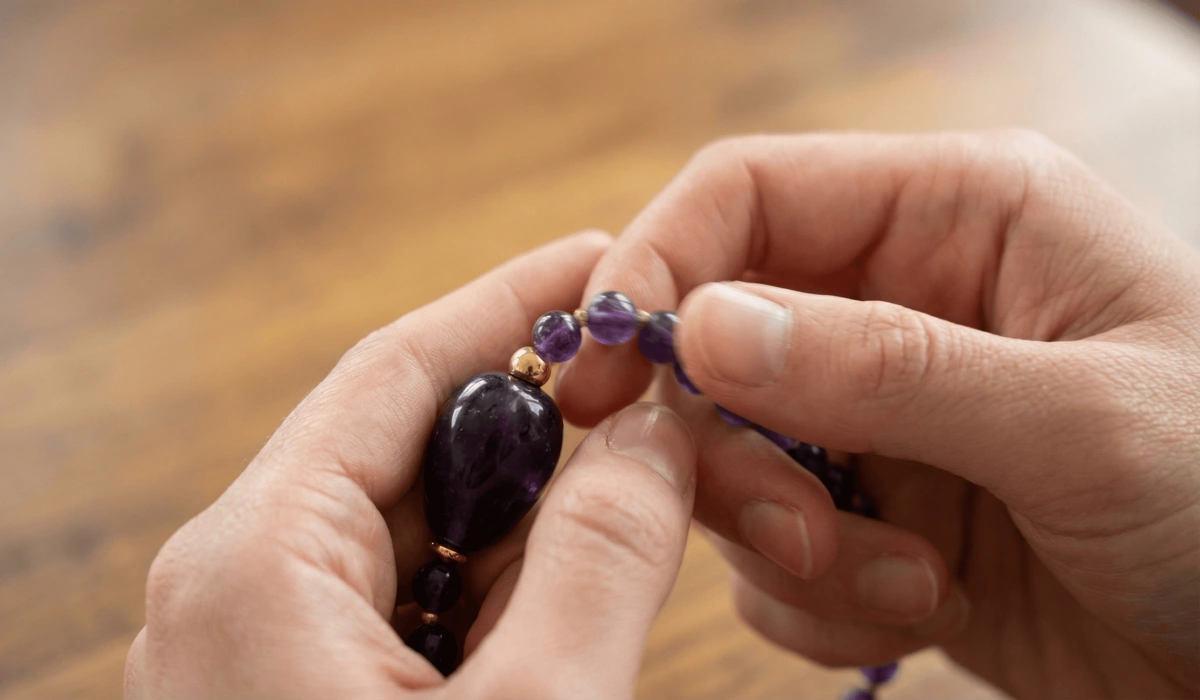
The Tibetan bracelet for focus and mental clarity is a favorite among those who work in high-stress environments. By simply touching the beads during a break, you can trigger a “relaxation response” that you have built up during your formal meditation sessions. This makes blessed Tibetan bracelets for practice more than just ritual objects—they are practical tools for modern sanity.
How to Wear Tibetan Bracelets
Knowing how to activate a Tibetan bracelet for meditation begins with how you choose to wear it. In many Eastern traditions, the left hand is considered the “receiving” side for spiritual energy. Therefore, the benefits of wearing Tibetan bracelets on the left hand include absorbing the healing properties of the sandalwood or stones more effectively.
Wearing the bracelet on the right hand is often associated with “giving” or projecting energy into the world. If you are a teacher or a healer, you might choose this side to share your intentions with others. However, the most important rule is to choose the hand that feels most natural and comfortable for your specific Buddhist prayer beads for breathwork.
To find a piece that suits your lifestyle, you can explore Tibetan Bracelet Collection to see various designs and materials. Many people wear their bracelets all day as a “mindfulness bell,” prompting them to return to the present moment whenever they see it on their wrist. This consistent contact helps integrate your spiritual goals into your professional and social life.
Tibetan Bracelets vs Similar Stones or Bracelets
When comparing Tibetan beads to count breaths against traditional long mala necklaces, wrist versions offer distinct advantages for modern practitioners. Wrist malas are highly portable and do not get tangled as easily as 108-bead necklaces. This makes them ideal for “stealth” meditation while commuting or sitting in meetings.
Materials and Energy Conductors
Choosing between copper and sandalwood depends on your energetic needs at the time. Copper is a fantastic conductor of energy and is often used by those who feel physically sluggish or disconnected. On the other hand, sandalwood is the go-to choice for those needing emotional soothing and sensory grounding through its earthy aroma.
If you are interested in the chemical and physical properties of the stones used in these bracelets, you might consult the Gemological Institute of America for technical data. This helps you understand why certain minerals, like Turquoise or Lapis, have been prized for centuries. Understanding the quality of the materials ensures you are purchasing authentic Tibetan materials that will last for years.
Who Is the Tibetan Bracelet Suitable For?
These tools are suitable for anyone looking to deepen their Tibetan mantra bracelet meditation practice. Beginners often find that having a physical object to hold makes it much easier to learn how to use Tibetan beads to count breaths. It removes the need for digital timers and keeps the focus entirely on the body’s internal rhythm.
For those interested in cosmic alignments, some practitioners choose beads based on their birth charts. While not strictly required, selecting stones that correspond to your zodiac can add another layer of meaning to your practice. As you prepare for future cycles, you might want to explore Fire Horse Meditations to align your practice with upcoming elemental energies.
Practical Advice for New Practitioners
If you are just starting, do not worry too much about “perfect” technique. On Reddit’s r/DharmaSadhana, user u/Lumpy_Lecture7501 suggests a simple approach for beginners:
“You can start by chanting the name of your favourite god for 10 minutes or a day… use the appropriate mala if you want (learn how to use it).”
*sources:[Beginner Sadhana Guide](https://reddit.com/r/DharmaSadhana/comments/1s6sfjp/a_guide_for_someone_looking_to_begin/)*
This advice highlights that consistency is more important than complexity. Whether you are doing mindful breathing techniques with beads or simple mantra work, the key is showing up for yourself every day. The bracelet is simply a friend that helps you remember that commitment.
How to Cleanse, Charge, and Care for Tibetan Bracelets
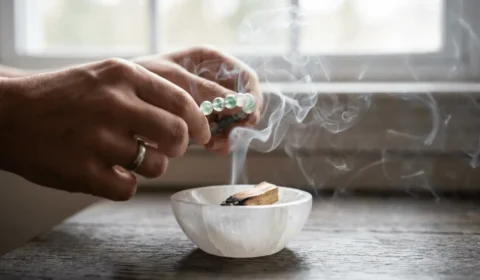
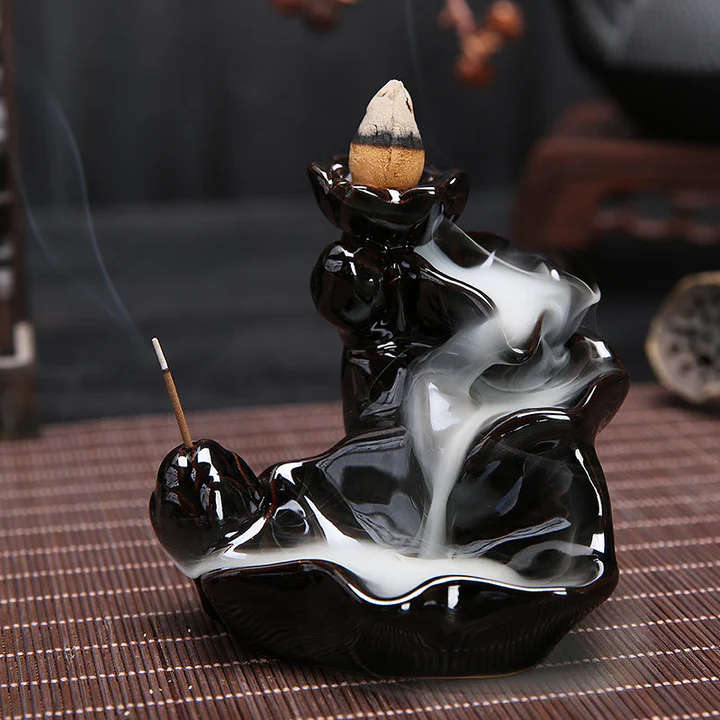
Properly cleansing the energy of your bracelet after intense practice ensures that it remains a source of positive vibration. We recommend using the smoke of natural incense like juniper or sage to “wash” the beads energetically. This is especially important after a long retreat or a particularly emotional session of mindful breathing.
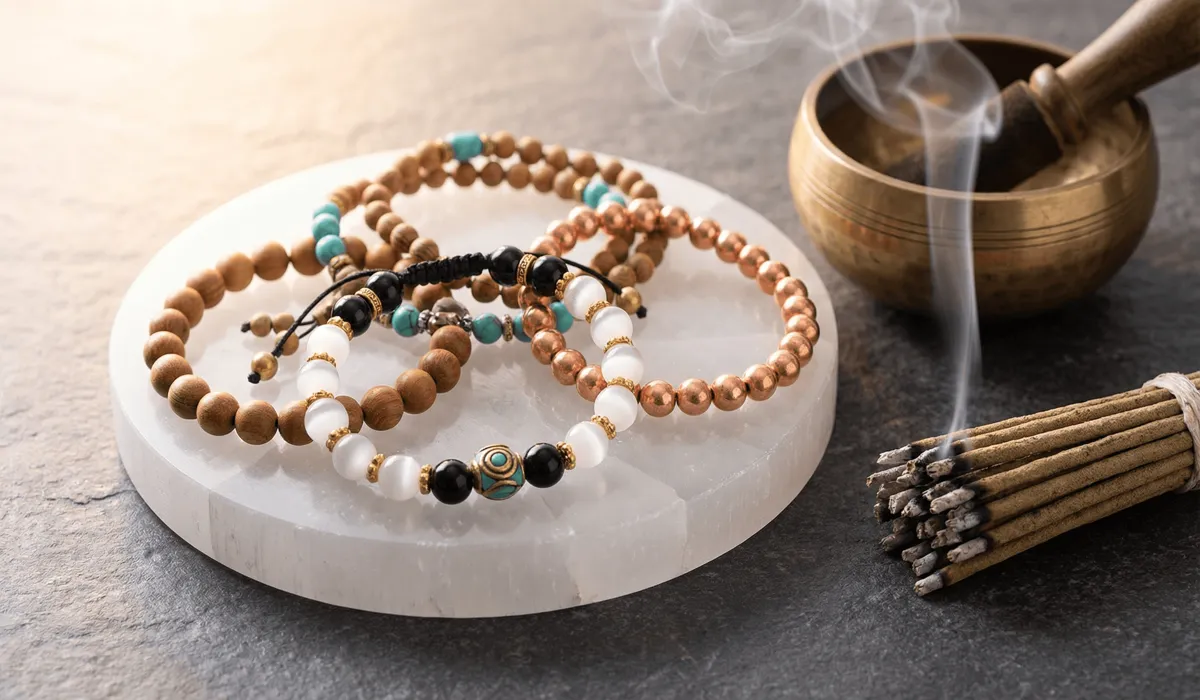
Charging your bracelet can be done by placing it on a selenite plate or under the light of a full moon. This refreshes the Tibetan copper bracelet spiritual properties and keeps the sandalwood smelling sweet. You can also “re-program” your bracelet by reciting your favorite mantra 108 times while holding the beads, infusing them with your current intentions.
Daily Care Tips
Knowing how to care for authentic Tibetan spiritual materials will prevent the cord from fraying and the beads from cracking. We suggest following these simple steps:
- Avoid getting wood or seed beads wet, as they can swell and crack over time.
- Do not wear your bracelet while exercising or performing heavy manual labor.
- Store your mala in a soft cloth bag or on your personal altar when not in use.
- Wipe copper beads with a dry cloth to maintain their natural shine and energy flow.
Treating your bracelet with respect reflects the respect you have for your own spiritual path. Many traditions suggest keeping your beads off the floor and away from disrespectful environments to maintain their “pure” energy. You can learn more about the history of these practices on Wikipedia for a broader cultural context.
Frequently Asked Questions
Q: Which wrist should you wear a Tibetan bracelet on during meditation?
A: Most people wear it on the left wrist because it is considered the “receiving” side for energy in many Eastern traditions. However, the most important thing is that it feels comfortable and does not distract you from your breathwork.
Q: How do you use Tibetan beads to count breaths?
A: Hold the first bead next to the Guru bead between your thumb and middle finger. Take one full breath (inhale and exhale), then move your thumb to pull the next bead forward. Repeat this until you reach the Guru bead again.
Q: Can you wear your Tibetan bracelet while sleeping?
A: It is generally better to take it off at night. This prevents the string from stretching or breaking while you move in your sleep. It also gives the bracelet—and your energy field—a chance to rest on an altar or nightstand.
Q: How do I choose the right Tibetan bracelet for my meditation style?
A: Focus on the material that matches your goal. Sandalwood is great for calming the mind, while copper is better for those who want to feel more energetic. Consider the weight of the beads to ensure they provide the tactile feedback you need.
Q: How do I cleanse my Tibetan bracelet after a long breathwork session?
A: You can pass the bracelet through the smoke of incense like sage or sandalwood. You can also place it near a singing bowl and let the sound vibrations clear away any stagnant energy that may have accumulated.
Conclusion & Gentle Next Step
In conclusion, Using Tibetan Bracelets during Meditation and Breathwork transforms a simple accessory into a profound spiritual instrument. These tools help us stay present, count our progress, and remember our deepest intentions. By choosing the right materials and respecting the meaning of Tibetan lucky knots, we create a stronger connection to our own inner wisdom.
Are you ready to enhance your daily practice? We invite you to explore our Tibetan Bracelet Collection today. Find the piece that speaks to your heart and let it become your companion on the journey to mindfulness.
This content is for informational and cultural exchange purposes only. It does not constitute medical, legal, financial, or other professional advice. Readers should consult with qualified professionals if they have specific concerns regarding their health or well-being.

Written by the Buddha Bodhis Team
Since 2020, we have been devoted to exploring traditional year-based wisdom, classical Feng Shui principles, and the rich spiritual symbolism rooted in Eastern cultural heritage. Our work bridges ancient metaphysical systems with modern life, interpreting annual cycles, elemental energies, and symbolic meanings to offer thoughtful insight and practical guidance. Through continuous research and practice, we aim to preserve traditional knowledge while making it accessible, relevant, and meaningful for contemporary seekers of balance, intention, and personal growth.
TikTok | YouTube | Pinterest | X
buddhabodhis@gmail.com